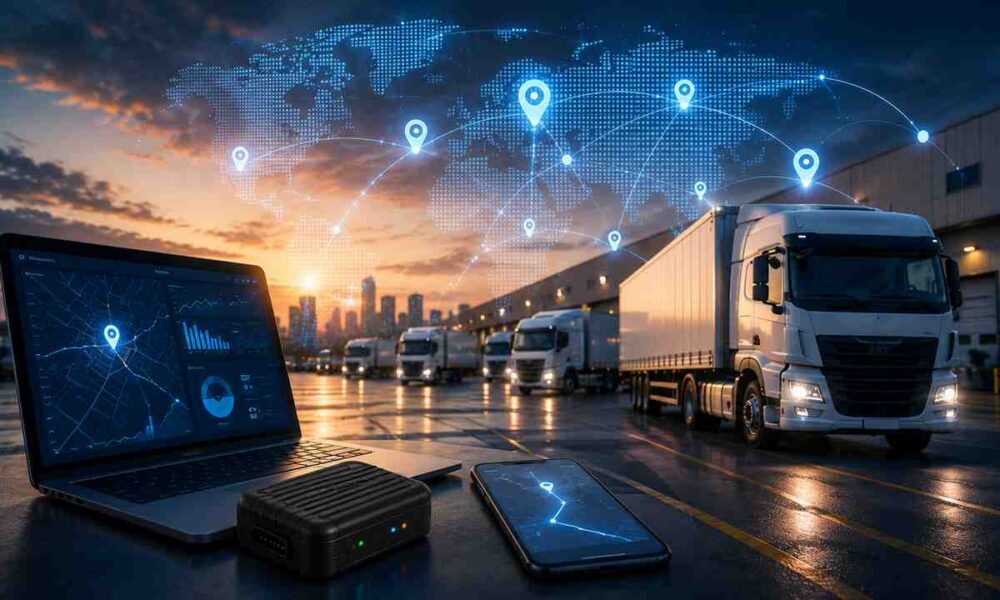
The logistics industry is under constant pressure to control fuel expenses, reduce downtime, and improve delivery performance. To address these challenges, companies are increasingly adopting fleet telematics IoT solutions that provide real-time visibility into vehicles, drivers, and assets.
Modern telematics platforms combine connected sensors, cloud technologies, and analytics to monitor fleet operations and identify cost-saving opportunities. As connected vehicle logistics 2026 gains momentum, businesses are using telematics to optimize routes, improve maintenance planning, enhance driver performance, and increase fleet utilization. These capabilities are helping logistics providers lower operating costs while improving operational efficiency.
The Evolution of Fleet Telematics
Fleet telematics began as a location-tracking technology that enabled companies to monitor vehicle movements. Over time, advancements in IoT connectivity expanded these capabilities significantly.
Modern telematics systems collect and analyze data from multiple sources, including:
- GPS modules
- Engine control units
- Fuel monitoring systems
- Tire pressure sensors
- Driver behavior tracking devices
- Temperature and cargo sensors
- Vehicle cameras
- Diagnostic systems
The real value lies not simply in collecting information, but in converting that information into actionable insights that support operational decision-making.
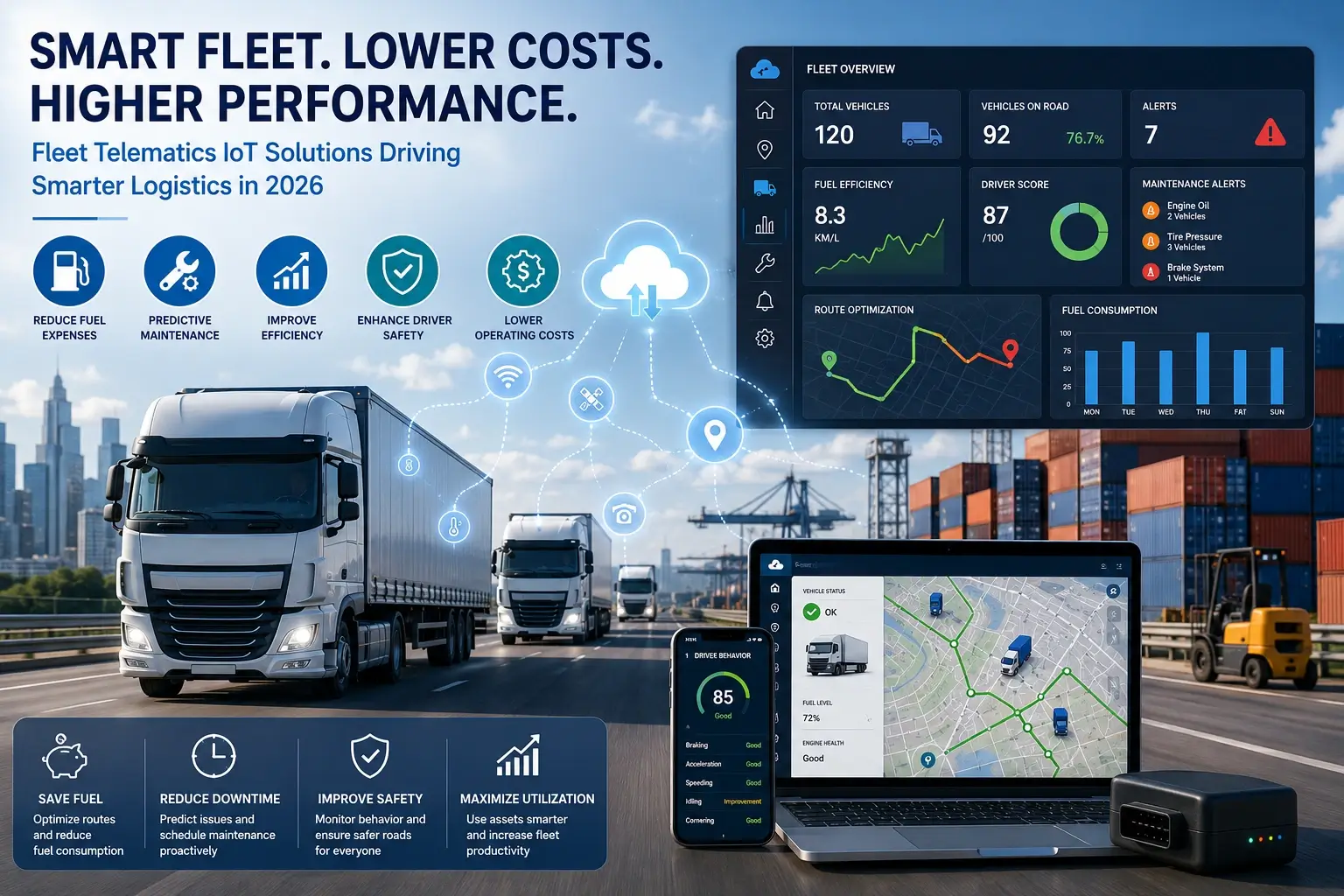
In 2026, fleet operators can access real-time dashboards that display vehicle health, route status, fuel efficiency metrics, cargo conditions, driver performance data, and predictive maintenance alerts from a single platform.
Why Logistics Companies Are Prioritizing Connected Vehicles
Transportation costs continue to represent one of the largest operational expenses for logistics organizations. Fuel, maintenance, labor, insurance, and compliance requirements can significantly impact profit margins.
Connected vehicle technology addresses these challenges by providing visibility into fleet operations at a depth previously unavailable.
The growing adoption of fleet telematics IoT platforms is driven by several business priorities:
- Lower fuel costs
- Reduced vehicle downtime
- Improved route optimization
- Better driver safety
- Enhanced customer service
- Compliance management
- Increased asset utilization
- Predictive maintenance capabilities
Rather than reacting to operational issues after they occur, organizations can identify risks and inefficiencies before they result in significant expenses.
How Fleet Telematics Reduces Fuel Expenses
Fuel remains one of the largest costs for logistics providers. Small improvements in fuel efficiency can generate substantial annual savings across large fleets.
1. Real-Time Route Optimization
Connected vehicles continuously transmit location and traffic information to centralized fleet management platforms.
Advanced algorithms evaluate:
- Traffic congestion
- Road conditions
- Toll routes
- Weather disruptions
- Delivery priorities
Drivers receive updated routing recommendations that reduce idle time and unnecessary mileage.
By selecting the most efficient routes, companies can lower fuel consumption while maintaining delivery schedules.
2. Monitoring Driver Behavior
Aggressive driving habits contribute significantly to fuel waste.
Telematics platforms monitor:
- Harsh acceleration
- Excessive braking
- Speeding
- Prolonged idling
- Rapid lane changes
Fleet managers can identify inefficient driving patterns and provide targeted coaching.
Organizations often report noticeable fuel savings after implementing driver behavior improvement programs supported by telematics data.
3. Idle Time Reduction
Vehicle idling consumes fuel without generating productive movement. Fleet telematics systems automatically record idling duration and identify recurring patterns across vehicles and routes.
Managers can establish performance benchmarks and encourage drivers to minimize unnecessary idling, resulting in measurable fuel reductions.
Predictive Maintenance and Cost Control
Unexpected breakdowns can disrupt delivery schedules, increase repair costs, and reduce customer satisfaction. One of the most valuable applications of fleet telematics IoT technology in 2026 is predictive maintenance.
1. Detecting Problems Early
Connected vehicles constantly monitor critical performance indicators such as:
- Engine temperature
- Battery condition
- Brake system performance
- Oil quality
- Transmission health
- Tire pressure
When irregularities appear, the system generates alerts before a major mechanical failure occurs. Early intervention often costs significantly less than emergency repairs.
2. Reducing Vehicle Downtime
Traditional maintenance models rely heavily on fixed service schedules. Telematics introduces condition-based maintenance, where servicing occurs according to actual vehicle usage and performance data.
This approach reduces unnecessary maintenance while preventing serious failures that could remove vehicles from service for extended periods.
3. Extending Vehicle Lifecycles
Continuous monitoring helps organizations maintain vehicles more effectively throughout their operational lifespan.
Improved maintenance practices contribute to:
- Higher resale value
- Longer equipment life
- Lower replacement costs
- Better operational reliability
For large fleets, these benefits translate into substantial long-term savings.
Enhancing Driver Performance and Safety
Driver-related incidents represent a major source of logistics expenses.
Accidents can lead to:
- Vehicle repair costs
- Insurance claims
- Delivery disruptions
- Regulatory penalties
- Legal expenses
Connected vehicles provide detailed insights into driving behavior, helping organizations reduce these risks.
1. Driver Scorecards
Modern telematics platforms generate performance scores based on:
- Speed compliance
- Braking habits
- Cornering patterns
- Acceleration behavior
- Seatbelt usage
- Fatigue indicators
Managers can use this information to recognize top performers and address unsafe practices through training initiatives.
2. Accident Prevention
Advanced driver assistance systems integrated with telematics platforms help reduce collision risks.
These systems may provide alerts related to:
- Lane departure
- Following distance
- Blind spots
- Collision threats
- Driver fatigue
As a result, fleets experience fewer accidents, lower insurance costs, and improved driver safety records.
Improving Fleet Utilization
Fleet ownership is a significant investment. Vehicles that remain underutilized represent lost value and unnecessary expenditure.
1. Asset Visibility
Connected vehicle logistics 2026 solutions provide detailed information about:
- Vehicle availability
- Utilization rates
- Route efficiency
- Delivery frequency
- Operational patterns
Fleet managers can identify vehicles that are used less frequently and reallocate resources more effectively.
2. Capacity Optimization
Telematics data helps organizations understand how transportation assets are being deployed.
By analyzing utilization trends, businesses can:
- Reduce excess vehicle ownership
- Improve scheduling
- Increase load efficiency
- Optimize dispatch operations
Better fleet utilization results in lower capital expenditure and stronger return on investment.
Real-Time Cargo Monitoring
Logistics operations increasingly involve transporting sensitive goods such as pharmaceuticals, food products, electronics, and industrial equipment.
1. Temperature and Environmental Tracking
Sensors installed within cargo compartments continuously monitor:
- Temperature
- Humidity
- Vibration
- Door activity
Real-time alerts allow operators to respond immediately when environmental conditions fall outside acceptable ranges.
2. Loss Prevention
Connected sensors improve cargo security by detecting:
- Unauthorized door openings
- Route deviations
- Unexpected stops
- Tampering incidents
Preventing cargo loss or damage contributes directly to lower operating expenses and higher customer satisfaction.
Data-Driven Decision Making
One of the greatest advantages of fleet telematics lies in the ability to convert operational data into meaningful business intelligence.
1. Fleet Analytics
Modern platforms aggregate information from every connected vehicle, creating a comprehensive operational view.
Managers can evaluate:
- Fuel trends
- Maintenance performance
- Delivery efficiency
- Driver productivity
- Asset utilization
This visibility supports better budgeting and resource allocation decisions.
2 Performance Benchmarking
Organizations can compare vehicles, drivers, routes, and regions using standardized performance metrics.
Benchmarking enables fleet leaders to identify best practices and replicate successful strategies across their operations.
As telematics adoption expands, data-driven decision making is becoming a core requirement rather than an optional capability.
The Role of AI in Fleet Telematics
Artificial intelligence has become a major force behind telematics innovation in 2026. Rather than simply displaying information, modern systems can interpret large datasets and recommend corrective actions.
1. Predictive Forecasting
AI models analyze historical and real-time fleet data to forecast:
- Parts failures
- Maintenance requirements
- Fuel usage patterns
- Route congestion
- Driver risks
This predictive capability helps organizations address problems before operational disruptions occur.
2. Intelligent Dispatching
AI-powered dispatch platforms evaluate multiple operational variables simultaneously.
These include:
- Driver availability
- Delivery priorities
- Vehicle capacity
- Route conditions
- Service level commitments
The result is more efficient fleet deployment and lower transportation costs.
Sustainability Benefits of Connected Fleets
Environmental performance has become an important consideration for logistics organizations, customers, and regulators.
Connected vehicle technology supports sustainability objectives while reducing operating expenses.
1. Lower Emissions
Fuel optimization technologies help reduce greenhouse gas emissions by:
- Minimizing idle time
- Improving route efficiency
- Reducing fuel consumption
- Encouraging efficient driving practices
2. Supporting Electrification
Many logistics companies are expanding electric vehicle deployments.
Telematics platforms assist with:
- Battery monitoring
- Charging management
- Route planning
- Energy consumption analysis
These capabilities improve the operational effectiveness of electric fleet investments.
Challenges That Remain in 2026
Despite its advantages, fleet telematics adoption is not without obstacles.
1. Data Security Concerns
Connected fleets generate large volumes of operational data. Organizations must implement strong cybersecurity measures to protect:
- Location information
- Operational records
- Vehicle diagnostics
- Business intelligence data
2. Integration Complexity
Many logistics organizations operate legacy systems alongside modern telematics platforms. Successfully connecting these systems often requires investment in integration technologies and specialized expertise.
3. Workforce Adoption
Drivers and fleet operators may initially resist new monitoring technologies. Clear communication, training programs, and transparent policies are essential for promoting adoption and building trust among employees.
The Future of Connected Vehicle Logistics
The next phase of connected vehicle logistics 2026 development will likely focus on deeper automation, expanded AI capabilities, and enhanced vehicle-to-everything (V2X) communications.
Emerging innovations include:
- Autonomous fleet operations
- Cooperative vehicle networks
- Advanced edge computing
- Digital twin technology
- Real-time supply chain orchestration
As connectivity expands across transportation ecosystems, logistics organizations will gain even greater visibility and control over their operations.
The ability to analyze information from vehicles, warehouses, distribution centers, road infrastructure, and customers within a unified environment will create new opportunities for cost reduction and operational excellence.
Conclusion
The logistics sector in 2026 is increasingly relying on fleet telematics IoT solutions to address rising operational costs and performance expectations. Connected vehicles have evolved into intelligent data platforms that provide real-time visibility across every stage of fleet operations.
From fuel optimization and predictive maintenance to driver safety, compliance management, and cargo monitoring, telematics technology delivers measurable financial benefits. Companies implementing connected vehicle strategies are reducing downtime, improving asset utilization, lowering maintenance expenses, and increasing operational efficiency.
As AI, IoT, and vehicle connectivity technologies continue to mature, connected vehicle logistics 2026 initiatives will play an even larger role in helping transportation organizations maintain profitability while meeting growing customer demands. For fleet operators seeking long-term cost control and competitive advantage, telematics has become a business necessity rather than a technology upgrade.
FAQs
1. What makes fleet telematics different from traditional GPS tracking systems?
Fleet telematics combines GPS data with vehicle diagnostics, fuel monitoring, driver behavior analysis, maintenance insights, and cargo tracking, creating a comprehensive platform that supports operational and cost management decisions.
2. How does fleet telematics help reduce fuel costs in logistics operations?
Telematics identifies excessive idling, speeding, harsh acceleration, and inefficient routes. Fleet managers use these insights to improve driving behavior and route planning, resulting in lower fuel consumption.
3. Why is predictive maintenance important for connected vehicle fleets?
Predictive maintenance uses real-time vehicle data to identify developing mechanical issues early. This approach reduces repair expenses, prevents breakdowns, minimizes downtime, and improves overall fleet reliability.
4. Can connected vehicle solutions improve driver safety performance?
Yes. Connected vehicle systems monitor speeding, braking, acceleration, fatigue indicators, and safety compliance. These insights support driver coaching programs and contribute to fewer accidents and insurance claims.
5. What role does IoT play in modern fleet telematics platforms?
IoT sensors collect continuous data from vehicles, engines, cargo compartments, and other assets. This information enables real-time monitoring, analytics, predictive maintenance, and operational visibility across logistics networks.
6. How can connected vehicle logistics 2026 strategies improve customer satisfaction?
Connected logistics platforms provide accurate delivery tracking, proactive issue alerts, improved route management, and faster response times, helping businesses deliver more reliable transportation and customer experiences.